

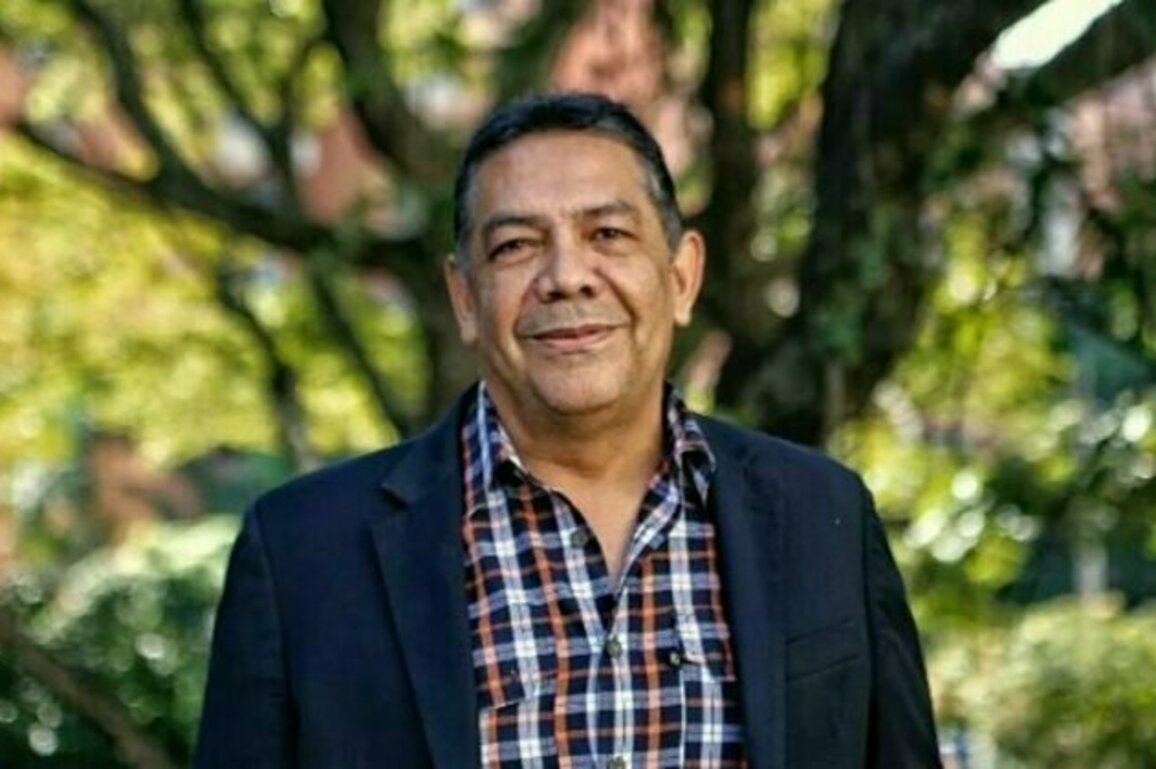
Although it may seem incredible from other parts of the world, Venezuela has a Deputy Minister for Anti-Blockade Policies who reports to the Ministry of Popular Power for Internal Relations, Justice, and Peace. The very existence of such a position is cause for alarm. The man in question is William Castillo, who is responsible for managing the response to sanctions imposed on Venezuela, especially those imposed by the US administration of Donald Trump.
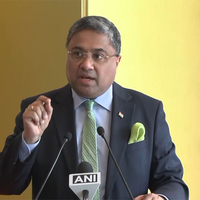
Since taking office, Deputy Minister Castillo has repeatedly expressed the importance of lifting the sanctions, framing them as a form of humanitarian aid and explaining the impact these policies have had over the course of a decade.
In interviews with various media outlets, William Castillo describes the economic and social impact of the unilateral coercive measures imposed on Venezuela, explaining the guidelines and economic mechanisms that the Bolivarian nation is implementing to overcome the blockade imposed by the United States and its allies.
He does not hesitate to point out that the main objective of the economic sanctions was to create a situation of growing devastation in the country. For this reason, he argues, the attacks were directed against the Venezuelan oil industry.
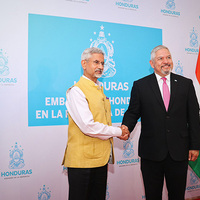
Following this blockade, the country sought allies by diversifying its oil shipments and using alternative routes, as well as economic alliances with nations that reject the application of such measures. Such is the case with Russia, Turkey, Iran, and India, countries that took the risk of continuing to trade and participate in Venezuela's development.
Subsequently, the approval of the Anti-Blockade Law was fundamental for the reactivation of the country's productive sectors, as well as for attracting investment once again.
William Castillo argued that sanctions represent a global problem that affects free trade and imposes limitations and penalties on a large part of the world's population.
He pointed out that there are currently more than 30 nations that are subject to these illegal sanctions, mainly by the United States, which affect at least 28% of the world's population. He referred to Russia and China, which are subject to unilateral coercive measures. In particular, Russia is the most sanctioned country, with more than 37,000 sanctions.
Currently, the Donald Trump administration imposes them by decree and in an almost random manner, sometimes backtracking, but attacking with a violence typical of a trade war.
Redaccin Venezuela